
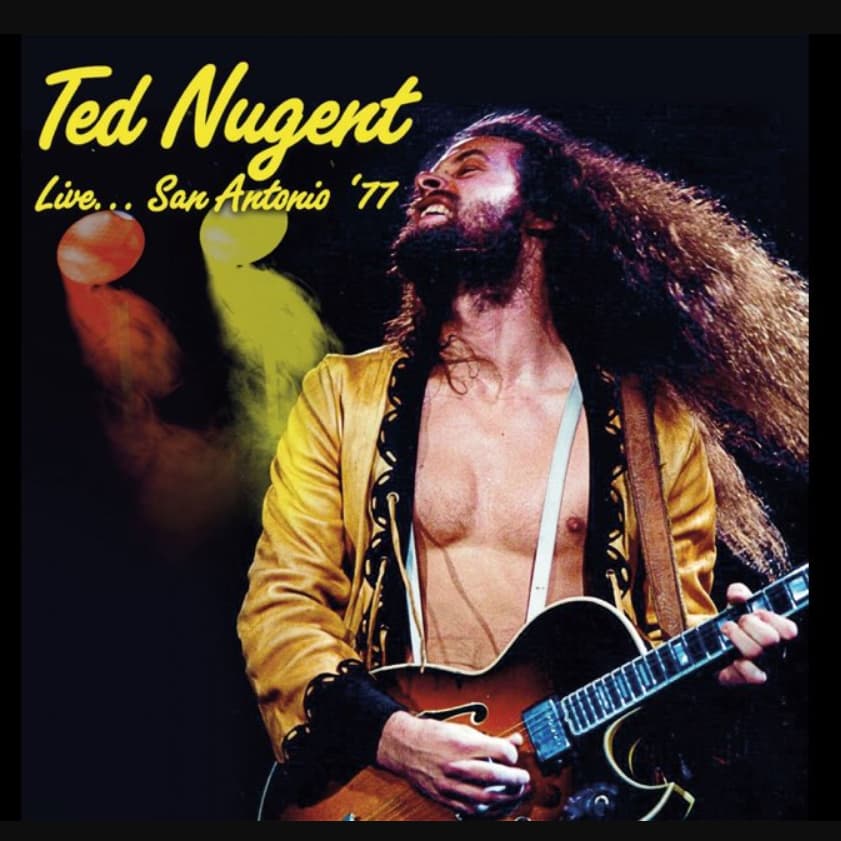
An Ominous Prelude to Rock ‘n’ Roll Mayhem
The very mention of Ted Nugent’s 1977 masterpiece, Cat Scratch Fever, conjures up the raw, untamed spirit of hard rock, a time when the guitar was a weapon and the stage a battlefield. Yet, tucked away on the album’s second side, nestled among the swaggering anthems, lies a track that pulses with a darker, more visceral energy: “A Thousand Knives.” This song, an often-overlooked deep cut, serves as a searing, almost prophetic narrative of betrayal, pain, and the kind of emotional devastation that leaves scars far deeper than any physical blow.
In terms of chart performance, “A Thousand Knives” did not follow the explosive, radio-friendly path of the album’s title track. Cat Scratch Fever as an album, however, was a commercial behemoth, soaring to a peak position of No. 17 on the prestigious US Billboard 200 chart and reaching No. 28 on the UK Albums Chart, certifying its status as a multi-platinum fixture of the era. This track, however, was not released as a single, instead serving as the B-side to the European release of the massive hit “Cat Scratch Fever” single—a stark contrast between the playful, hard-partying title track and the raw, serrated edge of its flip-side. Like many powerful album tracks from the 70s, its impact was measured not in Billboard digits, but in the sweat-soaked vinyl grooves of countless bedrooms and basements where true rock fans found their soundtrack. It’s a song for the faithful, the ones who listened past the hits to find the beating heart of the Motor City Madman’s musical fury.
The story behind “A Thousand Knives” is one that speaks volumes about the emotional volatility beneath Ted Nugent‘s bombastic public persona. While the Nuge is famously a man of primal, unbridled rock and roll, this track seems to tear through the facade of macho bravado to expose a profound wound. It’s rumored to be born from a moment of intense personal conflict or romantic upheaval, a betrayal so sharp it felt like a physical assault. The song’s dark, almost frantic energy and the aggressive, stabbing guitar work are more than mere musical choices—they are the sound of a man wrestling with the agony of being profoundly let down. For an artist whose work often celebrates the simple, carnal joys of rock life, this track introduces an unexpected depth of dramatic flair, hinting at the high-stakes emotional life behind the ‘gonzo’ theatrics.
The meaning of “A Thousand Knives” is unflinchingly clear, a raw depiction of the agony of betrayal and emotional rupture. The “thousand knives” are not literal; they are the symbolic wounds inflicted by a trusted lover or friend, each tiny cut a reminder of a lie, a deceit, or a broken promise. It is the overwhelming, all-consuming pain of a relationship disintegrating, where every interaction, every memory, becomes a source of exquisite torture. For those of us who came of age in that tumultuous decade, who have felt the gut-punch of finding a trusted hand suddenly holding a blade, this song is a brutal, cathartic release. It’s an ode to the feeling of being completely unmade by someone you let too close, where the emotional fallout is so intense it feels like a physical evisceration. Nugent’s trademark Gibson Byrdland sounds less like an instrument of joy and more like a tool of surgical, heart-rending precision, slicing through the musical arrangement with a venomous intent. Decades later, the track still stings with the same truth: that the deepest pain is rarely external; it’s the self-inflicted wound of trust betrayed.