
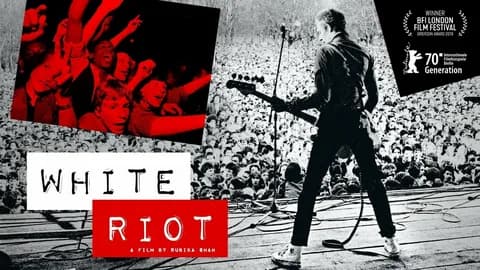
“White Riot”: The Furious Roar of a Generation Ignited by Injustice
Ah, the mid-1970s in Britain. A time of seething frustration, palpable disillusionment, and a youth culture simmering with a raw, undeniable anger. The economic stagnation, the racial tensions, and the perceived indifference of the establishment created a volatile landscape, and it was into this charged atmosphere that The Clash exploded, not just as a band, but as a visceral, uncompromising voice for a generation. And no song captured their furious intent and the urgent desperation of the moment quite like their debut single, “White Riot.”
Released in March 1977, “White Riot” was more than just a song; it was a manifesto, a visceral cry for awakening and action. As The Clash’s very first single, it served as a brutal, exhilarating introduction to their potent blend of punk rock, political outrage, and street-level poetry. It immediately smashed its way onto the UK Singles Chart, peaking at an impressive No. 38. While this might seem modest by today’s standards, for a song so raw, so confrontational, and so devoid of traditional pop sheen, it was a profound statement of intent and a clear signal that a new, unvarnished force had arrived. For those of us who felt the stifling weight of the era, “White Riot” wasn’t just heard; it was felt, a shot of adrenaline and a call to arms.
The story behind “White Riot” is rooted in a specific, pivotal moment of racial tension and social unrest that profoundly impacted The Clash, particularly its primary lyricists, Joe Strummer and Mick Jones. The song was directly inspired by the Notting Hill Carnival riots that erupted in August 1976. This annual Caribbean festival in West London had been met with aggressive policing, leading to violent clashes between the predominantly black community and the Metropolitan Police. Strummer and Jones witnessed these events firsthand, and the experience ignited a furious indignation within them. They saw the disproportionate power dynamics and the simmering anger of a marginalized community.
The song’s controversial title, “White Riot,” was not a call for racial violence by white people, but rather a direct, provocative challenge. Strummer later explained that he saw the organized resistance of the black community during the riots and questioned why white youth, facing similar economic and social oppression, were not similarly mobilized. It was a rhetorical question, a deliberate provocation intended to shake white youth out of their apathy and into action, to channel their frustration into meaningful social and political engagement. It was a raw, unfiltered observation of class and racial dynamics, distilled into a blazing punk rock anthem.
At its core, “White Riot” is a desperate, unvarnished plea for conscious rebellion and collective action. It’s about recognizing injustice, refusing to remain silent, and finding the courage to fight back against oppressive systems. The lyrics are stark, confrontational, and direct: “White riot / I wanna riot / White riot / A riot of my own.” It conveys a raw, urgent need to lash out against a world that feels rigged, a system that seems determined to keep people down. But beneath the surface anger, there’s a yearning for purpose, for a voice, for a movement. For older readers who lived through the anxieties of the 70s—the economic recession, the rising unemployment, the societal divisions—this song taps into a profound memory of disillusionment and the yearning for change. It speaks to the feeling of being young and powerless, yet consumed by a desperate need to make a difference.
Listening to “White Riot” today is like feeling the visceral shockwave of punk rock’s initial explosion. The raw, almost primitive production, the relentless, driving guitar riffs, the furious drumming of Topper Headon (though early recordings featured Terry Chimes), and Strummer’s snarling, passionate vocals all combine to create an utterly electrifying experience. There’s no polish, no pretense, just pure, unadulterated anger and conviction. It evokes memories of a time when music wasn’t just entertainment; it was a potent force for social commentary and cultural upheaval. “White Riot” isn’t just a historical artifact; it’s a timeless reminder of the power of protest, the urgency of speaking truth to power, and the indelible mark left by a band that truly gave a damn. It continues to resonate with anyone who feels the sting of injustice, a raw, defiant roar against the quiet acceptance of the status quo. It is, unequivocally, The Clash at their most elemental, screaming their demand for a “White Riot.”