
The Groovy, Unapologetic Proclamation of Simple Faith: How a Gospel Standard Became a Defining Anthem of Rock and the Jesus Movement.
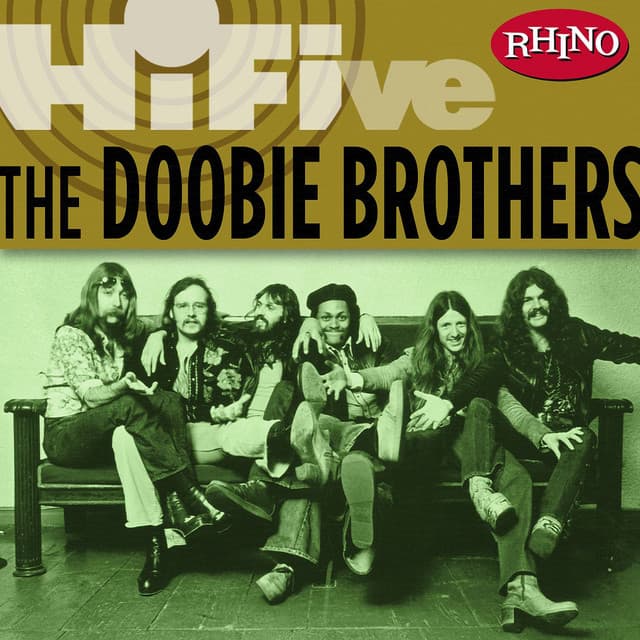
The very first notes of The Doobie Brothers’ rendition of “Jesus is Just Alright” are an instant transport mechanism for anyone who came of age in the early 1970s. That iconic, driving bassline, the insistent, almost tribal drum pattern, and the glorious rush of harmonized vocals—it’s the sound of a generation trying to reconcile rock-and-roll rebellion with a sudden, spiritual awakening. It remains a masterpiece of understated drama, a three-minute, forty-seven-second sermon delivered not from a pulpit, but from the stage of a smoke-filled club, solidifying the band’s identity and launching their second chapter.
Key Information: “Jesus is Just Alright” was released in November 1972 as the second single from The Doobie Brothers’ breakthrough second album, Toulouse Street. Though it’s often mistaken for an original, the song was actually a cover—first written and recorded by the gospel group The Art Reynolds Singers in 1966, and later covered by The Byrds in 1969. The Doobie Brothers’ definitive rock version was a US hit, peaking at No. 35 on the Billboard Hot 100 chart in February 1973. The parent album, Toulouse Street, achieved significant commercial success, peaking at No. 21 on the Billboard 200 chart and ultimately achieving Platinum certification. The band’s arrangement, which was inspired by The Byrds’ psychedelic folk version, was given a distinctively gritty, twin-guitar California funk-rock edge by the band and producer Ted Templeman, featuring Patrick Simmons on lead vocals and guitar.
The story of the song’s evolution is a fascinating chronicle of musical metamorphosis. When The Doobie Brothers recorded it, they weren’t a “Christian band” by any traditional measure; they were a collective of long-haired musicians from San Jose, deeply embedded in the counterculture of the time. They picked it up after hearing The Byrds’ take, but transformed it, infusing the spiritual message with a raw, secular energy.
Crucially, The Doobie Brothers added a signature, slow, soulful bridge—”Jesus is my friend…“—a moment of quiet, gospel-infused reflection before the inevitable, thunderous return of the rock arrangement. This addition, reportedly conceived by bassist Tiran Porter and sung by Simmons, turned the song from a simple declaration into a dramatic spiritual journey. It was a bridge between the gospel roots and the acid-rock present, perfectly capturing the mood of the burgeoning Jesus Movement, where young people were bringing their faith out of the church and into the street. The band watched from the stage as Christians, dubbed “One Wayers,” began showing up at their concerts, throwing Bibles and scriptures onto the stage. It was the ultimate, unexpected crossover hit.
The enduring meaning of the song, particularly for the older, well-informed listener, lies in its beautiful simplicity. The title’s use of the slang term “all right” wasn’t meant to diminish; in the vernacular of the time, it meant “cool,” “more than okay,” or completely trustworthy. The lyric is a revolutionary proclamation that strips away all the institutional baggage and drama of organized religion, asserting a clear, personal, and profoundly accessible faith: “Jesus is just alright with me.” It’s an embrace of a spiritual concept that resonated deeply with a disillusioned generation searching for authenticity. The Doobies didn’t need stained glass or sermons; they needed a killer guitar lick and a tight, irresistible groove, and with this song, they created a timeless anthem that proved that a powerful spiritual message could rock just as hard as any secular one. Its legacy is not just its chart position, but its successful negotiation between the Saturday night dance floor and the Sunday morning feeling, a drama played out in the musical landscape of the early seventies that still resonates today.