
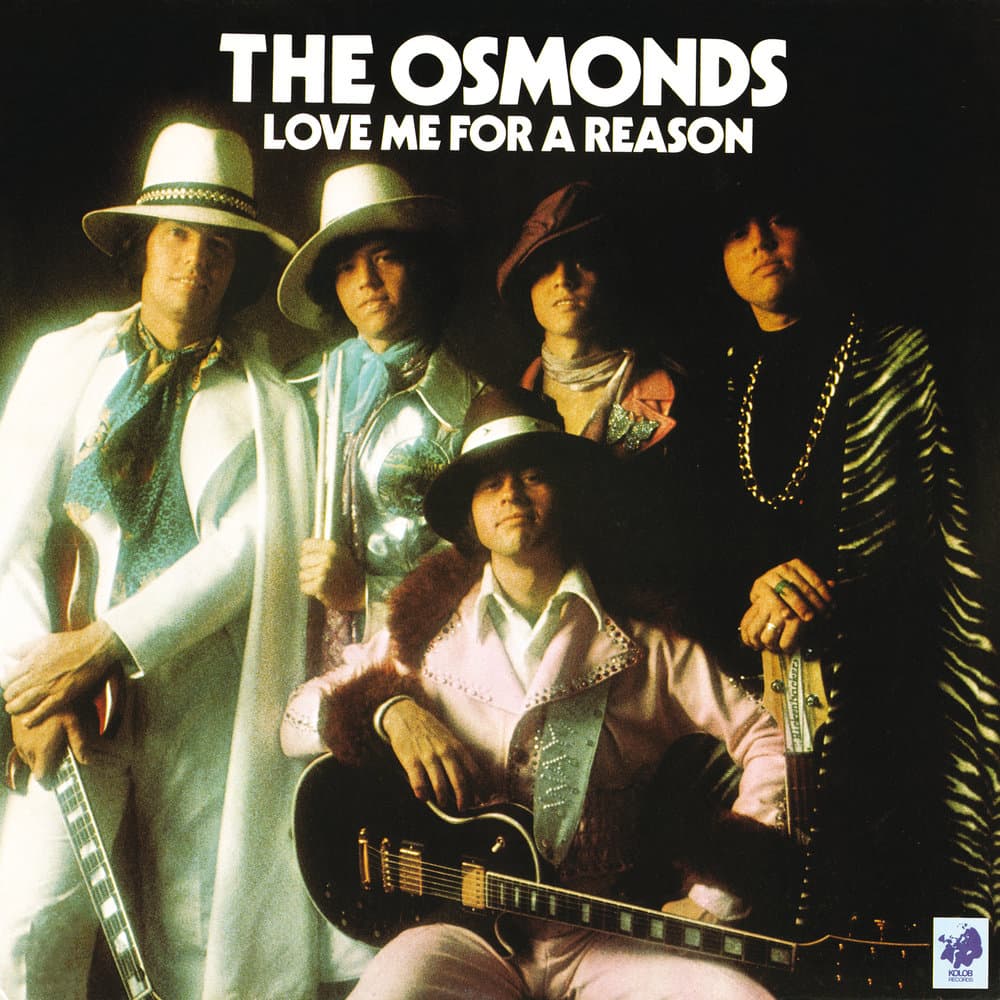
“Love Me For A Reason”: The Osmonds’ Enduring Plea for Authentic Affection
For those of us who came of age amidst the sparkling, often wholesome, pop landscape of the 1970s, The Osmonds were an inescapable phenomenon. From their early variety show appearances to their rock and pop hits, this family quintet captured millions of hearts with their clean-cut image and undeniable talent. While they were known for their high-energy performances and catchy pop-rock anthems, it was a soulful, heartfelt ballad, “Love Me For A Reason,” that showcased a surprising depth and maturity, becoming one of their most beloved and enduring signatures. It was a song that transcended fleeting trends, speaking directly to the universal desire for genuine, unconditional love.
“Love Me For A Reason” was released as a single in August 1974, a pivotal moment in The Osmonds’ career as they sought to broaden their appeal beyond the teen-idol bubblegum image. The song was an immediate and massive success, soaring to number 1 on the UK Singles Chart in September 1974, holding the top spot for three weeks. Its success wasn’t limited to the UK; it was also a huge hit in the United States, peaking at number 10 on the Billboard Hot 100, and charting strongly across the globe, reaching number 2 in Canada and number 3 in Australia. The song was the lead single from their 1974 album, “Love Me for a Reason,” which reached number 47 on the Billboard 200 and number 13 on the UK Albums Chart. Its undeniable popularity solidified their transition into a more sophisticated, R&B-influenced sound, proving their versatility and lasting appeal.
The story behind “Love Me For A Reason” is notable for its origins outside the immediate Osmond family’s songwriting. The song was written by the talented trio of Johnny Bristol, Wade Brown Jr., and David Jones Jr. Johnny Bristol, a renowned American R&B and soul songwriter and producer (known for his work with Motown artists), brought a distinct soulful sensibility to the composition. By 1974, The Osmonds were keen to evolve their sound, aiming for more mature, soul-inflected material that would resonate with a wider audience. Producer Michael Lloyd, who had worked with them on previous hits, played a key role in guiding their musical direction, selecting this song for them. Donny Osmond, taking lead vocals, delivered a performance that was both earnest and vulnerable, demonstrating his growing vocal prowess and emotional range. The song’s lush arrangement, complete with strings and a prominent gospel-tinged choir, further elevated its heartfelt message, distinguishing it from their earlier, more raw pop-rock output.
The meaning of “Love Me For A Reason” is a timeless plea for genuine affection and acceptance, stripping away superficiality to seek a deeper connection. The lyrics express a yearning to be loved for one’s true self, rather than for external attributes like fame, appearance, or transient success. “Love me for a reason, and let that reason be love / Love me all the season, remember me from above,” sings Donny, directly asking for a pure, unadulterated form of devotion. It’s a universal sentiment that resonates with anyone who has ever felt the pressure to conform or wondered if their affection was truly reciprocated on an authentic level. The song’s sincerity, combined with its gospel-influenced harmonies, gives it an almost spiritual dimension, transforming a pop ballad into a powerful affirmation of the human need for unconditional love.
For those of us who recall the wholesome charm of The Osmonds and witnessed their transition from teen idols to more serious musicians, “Love Me For A Reason” evokes a powerful sense of warmth, sincerity, and enduring romance. It brings to mind innocent slow dances, heartfelt confessions, and the universal yearning for true connection. It’s a reminder that even pop idols can deliver profound emotional truths, and that the simplest, most direct pleas for love are often the most powerful. Even now, decades later, the gentle melody and heartfelt vocals of “Love Me For A Reason” continue to resonate, pulling us back to a time when a pop song could genuinely ask for pure, unadulterated love, for no other reason than love itself.