
A Tender Echo of Lost Innocence, a Nostalgic Plea for a Love Fading into the Haze of Memory.
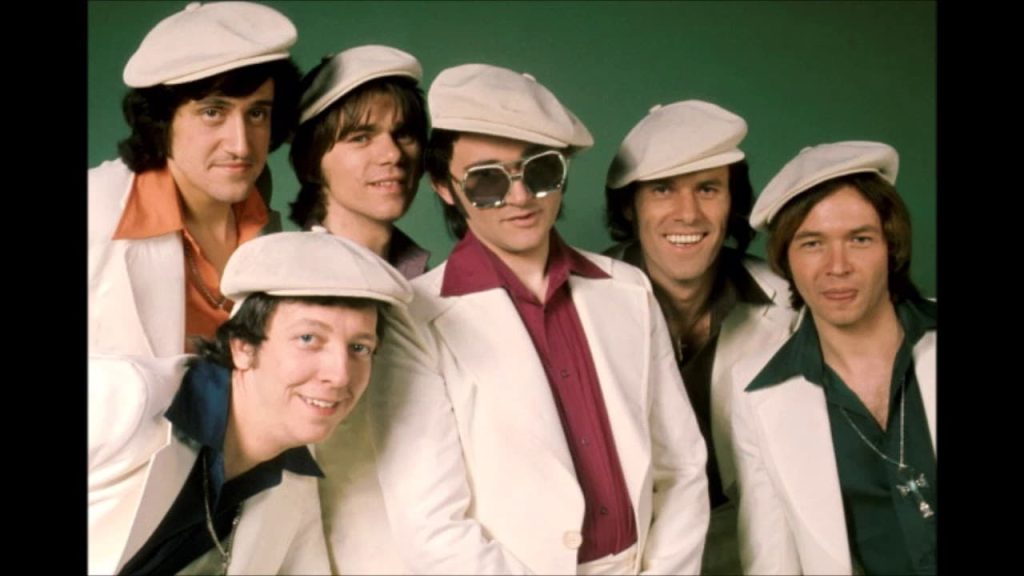
In the mid-1970s, the UK music scene was a vibrant mosaic of glam rock’s glitter, punk’s raw fury, and the smooth grooves of disco. Yet, amidst this sonic chaos, one band stood out with a pristine sound that was both a nod to the past and a pure pop confection for the present. The Rubettes, with their signature white suits and caps, carved out a unique space, blending the nostalgic harmonies of ’50s doo-wop with the polished production of glam rock. While their number-one hit “Sugar Baby Love” remains their most famous calling card, it’s their 1975 single, “Little Darling,” that offers a more tender, introspective, and enduring emotional core. This is not a song for the dance floor; it’s a quiet reflection, a whisper of regret that resonates with anyone who has ever looked back at a past love with a mix of fondness and sorrow.
Upon its release in the autumn of 1975, “Little Darling” proved to be another successful chapter in The Rubettes’ brief but meteoric rise to fame. The song charted in the UK, reaching a respectable number 30 on the Official Singles Chart. It was featured on their second studio album, We Can Do It, which, while not as critically acclaimed as their debut, was a testament to the band’s prolific songwriting and their commitment to their unique retro-pop sound. The song’s success, though modest compared to their debut smash, confirmed their status as more than a one-hit wonder and proved their ability to deliver a hit with a softer, more melodic touch.
The story of “Little Darling” is a quintessential example of the band’s primary songwriters, Wayne Bickerton and Tony Waddington, drawing inspiration from the timeless themes of love and longing. The song’s meaning is embedded in its simple yet profoundly moving lyrics. It’s a heartfelt plea from a man to a former lover, a bittersweet attempt to rekindle something that has long since faded. The title, “Little Darling,” is not just a term of endearment; it is a wistful memory of a time when their love was new and uncomplicated. The lyrics speak to a familiar pain: the realization that the years have passed and the magic has gone, yet the memory of that youthful connection remains as a haunting presence. Lines like “Little darling, it’s been so long / Don’t you think it’s time we talked about it?” perfectly capture the ache of an old flame, a quiet yearning for what used to be.
For listeners who came of age with the pop sounds of the 1970s, “Little Darling” is a powerful and evocative time capsule. The song’s lush arrangement, with its swelling strings and the signature high-pitched, harmonic vocals of lead singer Alan Williams, is an instant trip back in time. It brings to mind the soft-focus romanticism of a bygone era, of slow dances at school halls and whispered promises that were never quite kept. This song is the sound of a beautiful sadness, a quiet moment of reflection in the midst of a loud and flashy decade. It’s a testament to the fact that even a band known for its theatrical, bubblegum pop could produce a piece of music with such genuine emotional weight. “Little Darling” is a true gem, a reminder that the most powerful feelings are often found in the most understated of melodies, a quiet, nostalgic handshake from a time when love and loss were subjects for a song.