
A Prophetic Anthem of Lost Idealism, a Powerful Elegy for the Dreams of a Generation.
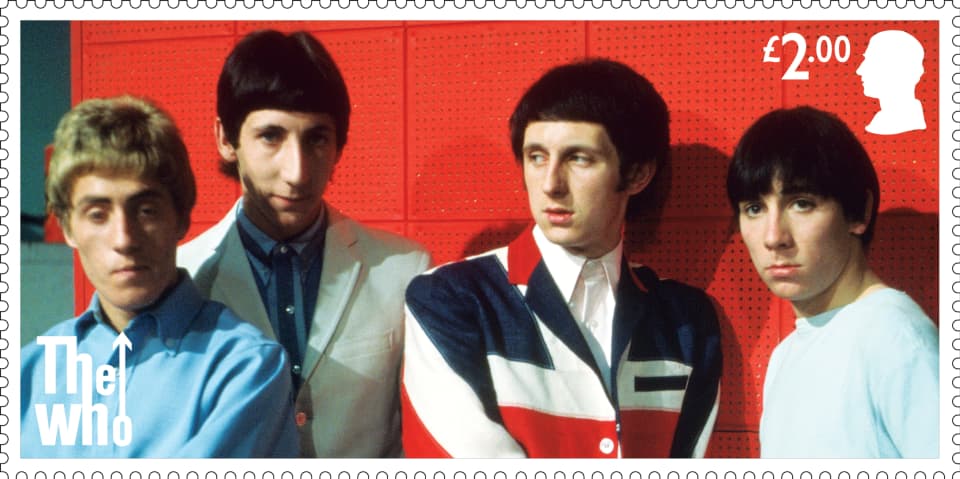
The year 1971 found one of the world’s greatest rock bands, The Who, at a dramatic crossroads. The ambitious, sprawling rock opera Lifehouse, conceived by guitarist and chief songwriter Pete Townshend as a spiritual and technological odyssey, had collapsed under its own weight and complexity, leaving the band creatively exhausted and deeply frustrated. From the ashes of that spectacular failure, however, rose a phoenix: the album Who’s Next. This masterpiece distilled the grand, unmanageable vision of Lifehouse into a collection of taut, arena-rock anthems, the first and most defining of which was the colossal track, “Baba O’Riley.” Though it was deemed too complex and long to be released as a single in the UK or the US upon the album’s debut, its immediate and overwhelming airplay made it an instant anthem. The album itself, a monument of the era, soared to number 1 in the UK and number 4 on the Billboard 200, solidifying the song’s status as a triumphant, albeit unconventional, cornerstone of classic rock history.
The story behind “Baba O’Riley” is steeped in high-stakes drama, a conflict between spirituality and technology. The song is a direct product of Townshend’s obsession with two contrasting figures: Meher Baba, his spiritual guru who advocated for universal love and silence, and Terry Riley, the minimalist composer whose repetitive, hypnotic electronic music inspired the song’s opening sequence. The “Baba” and the “Riley” represent the two halves of Townshend’s own dramatic struggle—the longing for profound spiritual truth and the fascination with cold, modern technology. He had originally intended the piece to generate music based on the life-force data of audience members, a futuristic experiment that proved impossible. Instead, the resulting synthesized loop, a cold, pulsing, and relentless sequence, became the song’s foundation—a stunning, dramatic backdrop against which the raw, human power of Roger Daltrey’s vocal and The Who’s explosive playing would rail.
The meaning of the song is nothing short of prophetic, serving as a powerful, devastating elegy for the failed dreams of the 1960s. It speaks to the disillusionment of a generation that had chased utopian ideals only to find themselves spiritually adrift. The lyrics, full of a yearning for connection and a bitter sense of betrayal, build a narrative that is both personal and universal. But the true, gut-wrenching emotional climax arrives with the famous coda, the chaotic, folk-infused violin solo by Dave Arbus (played out in a pub, no less) and the subsequent, resigned cry of “teenage wasteland.” This phrase, often mistaken for the song’s title, is the punchline to the decade’s promise—the dramatic acknowledgment that the youthful revolution had failed, leaving behind a spiritual vacuum where enlightenment was promised.
For those who came of age with this song, “Baba O’Riley” is a visceral, nostalgic reminder of a time when the dreams were grand, but the aftermath was stark. It’s a testament to The Who’s unparalleled ability to capture the turbulent political and personal zeitgeist and transform it into a piece of transcendent, enduring art. It stands as a timeless and deeply emotional document, a dramatic, explosive moment where the idealism of the past finally collided with the cold realities of the future.