
“Ashtonpark”: A Glimpse into the Evolving Sound of a Rock Powerhouse
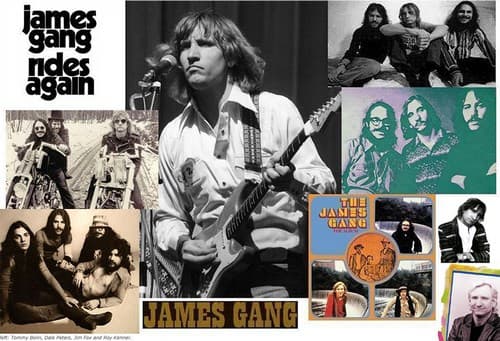
For those of us who recall the raw, untamed energy that defined the late 1960s and early 1970s rock scene, the name James Gang immediately conjures images of blistering guitar riffs and a potent blend of blues, hard rock, and burgeoning progressive influences. While often synonymous with their more commercially successful hits or the early, explosive presence of Joe Walsh, the band’s catalog holds deeper cuts that reveal the intricate layers of their evolving sound. Among these, the instrumental track “Ashtonpark” stands out, offering a fascinating, albeit perhaps less universally known, insight into the band’s musical adventurousness and their commitment to pushing stylistic boundaries. Released in July 1970 on their second studio album, James Gang Rides Again, this piece is a testament to the James Gang beyond the immediate spotlight, a melodic and atmospheric journey that showcases their often-overlooked depth and collaborative spirit.
Unlike some of their more hard-hitting, vocal-driven tracks, “Ashtonpark” was not released as a standalone single and therefore did not register on major commercial charts such as the Billboard Hot 100. Its prominence instead lies within the context of the album James Gang Rides Again, which itself was a significant success for the band, peaking at number 27 on the Billboard 200 album chart in the United States. This album, a cornerstone of their discography, solidified their position as a formidable force in the rock landscape of the era. For many discerning listeners and album-oriented radio stations, “Ashtonpark” became a cherished album cut, a moment of respite and reflection amidst the album’s more aggressive offerings like “Funk #49” or “The Bomber.” It was a track that truly showcased the musicianship of the entire band – Joe Walsh on guitar and vocals, Dale Peters on bass, and Jim Fox on drums – allowing their collective talent to shine without the immediate focus on a lead vocal.
The story behind “Ashtonpark” is less about a dramatic single event and more about the collaborative, organic creative process that characterized the James Gang during this fertile period. James Gang Rides Again (often simply referred to as Rides Again) was the band’s second studio effort, following their debut Yer’ Album. It was on this album that Dale Peters joined the band on bass, solidifying the classic power trio lineup that would define their most impactful work. “Ashtonpark” emerged from the creative interplay of these three musicians, who were constantly experimenting with their sound and exploring different musical textures. While Joe Walsh was undoubtedly the band’s charismatic frontman and a prolific songwriter, the instrumental tracks often highlighted the democratic nature of their musical conversations. The title itself, “Ashtonpark,” suggests a tranquil, almost pastoral setting, a stark contrast to the gritty urban sound often associated with their rock anthems. This deliberate choice of mood and imagery invites listeners to a different side of the James Gang, showcasing their versatility and willingness to delve into more contemplative, melodic territories. It’s a testament to their artistry that they could create something so evocative and serene amidst the high-octane rock that was their hallmark.
The meaning of “Ashtonpark” lies in its ability to evoke a feeling rather than convey a literal narrative. As an instrumental, it grants the listener the freedom to project their own experiences and emotions onto the music. For older readers, those who remember the heady days of album rock and the deep dives into tracks beyond the radio hits, “Ashtonpark” might conjure memories of long drives, moments of quiet contemplation, or perhaps the feeling of being transported to a different mental space through sound. It speaks to the power of music to create landscapes in the mind, to provide an auditory escape from the everyday. The interplay between the instruments – the lingering, often clean or slightly overdriven guitar melodies, the steady, grounding bass lines, and the nuanced, tasteful drumming – creates a sense of peaceful progression, like a journey through a serene, unburdened landscape. It’s a testament to the band’s collective prowess that they could craft such an evocative and memorable piece without the need for a single word.
In the context of the James Gang Rides Again album, “Ashtonpark” serves as a crucial interlude, offering a dynamic contrast to the album’s more aggressive and blues-infused tracks. It demonstrates the James Gang’s range and their willingness to explore different facets of their musical identity. For those who appreciate the artistry beyond the obvious, it stands as a quiet but powerful testament to a band at the peak of its creative powers, leaving behind a subtle yet deeply resonant piece that continues to reward repeated listening, inviting us to simply listen, feel, and wander through the sonic landscape it so beautifully paints.