
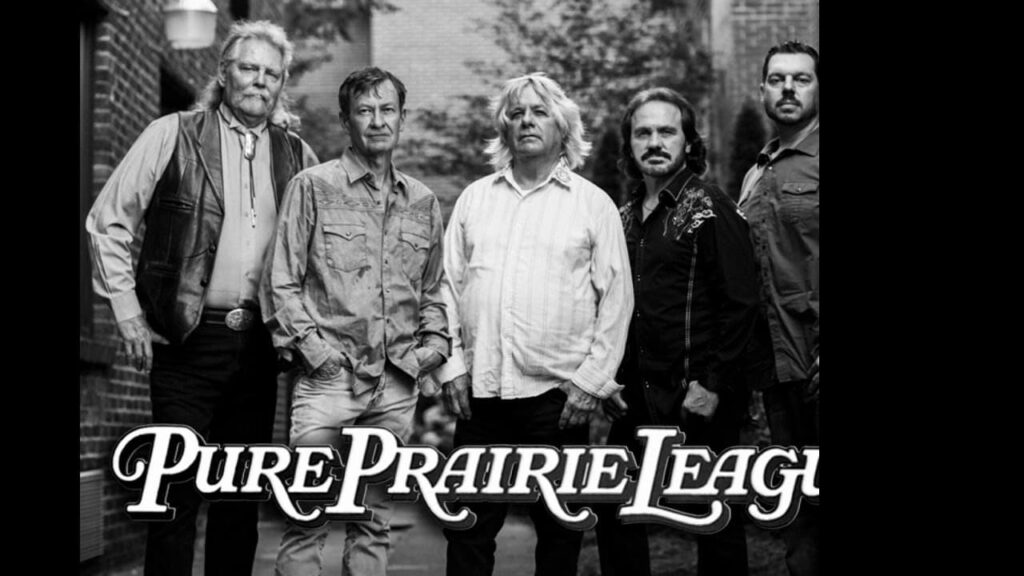
A Heartfelt Ode to Artistic Integrity, a Poignant Tribute to a Life Dedicated to Music, Regardless of Fortune.
In the early 1970s, as the American musical landscape was being reshaped by a new wave of country rock, a band named Pure Prairie League was quietly crafting a sound that was both timeless and deeply personal. Their 1972 album, Bustin’ Out, was a masterpiece of the genre, a record filled with beautiful harmonies and soaring melodies. Yet, upon its initial release, it was met with commercial indifference, a devastating blow for a group that had poured their souls into its creation. The album did not chart and was largely overlooked, a tragic beginning for a record that would, years later, become a cult classic and a foundational piece of country rock history. Within its tracklist lay a song that felt like a quiet, yet profound, prophecy for the band’s own journey. That song was “Jazzman.” It was never a single, never found its way onto the pop charts, and its power lies not in fleeting popularity, but in its dramatic, emotional honesty—a tribute to a life dedicated to art, regardless of recognition.
The story behind “Jazzman” is a double tragedy, a sad and beautiful parallel between the subject of the song and the band that created it. The lyrics, penned by lead singer and songwriter Craig Fuller, are a poetic and deeply personal monologue, a poignant sketch of a jazz musician who has dedicated his life to his craft. The drama of the song is the quiet dignity of a life lived on the fringes. The jazzman is a character of unwavering integrity, a man who plays “the blues when he feels bad, and the rhythm when he feels good.” He is not a superstar; he is a local hero, a man who plays for the love of the music itself, even when the club is half empty. In 1972, as Pure Prairie League watched their own album languish on record store shelves, it’s easy to imagine that Fuller was singing about his own life and the lives of his bandmates—artists who were pouring their hearts into their work with little reward.
The lyrical drama of the song is a heartfelt reflection on the jazzman’s journey, a tribute to his quiet endurance. The song’s gentle, mournful melody and the blues-infused piano create a smoky, intimate atmosphere, as if you are a sole patron in a late-night club, watching the jazzman perform. Fuller’s voice, with its soft, wistful quality, delivers the story with a sense of profound empathy. The song builds with a subtle, soulful intensity, the brief, powerful instrumental breaks serving as moments of pure, unadulterated emotion—the jazzman’s unburdened joy and his quiet sorrow expressed through sound. The song’s deliberate, unhurried pace mirrors the slow, painful grind of a life dedicated to art, reminding us that some of the most beautiful lives are lived out of the spotlight.
For those of us who came of age with this music, “Jazzman” is more than a song; it’s a testament to the enduring power of artistic integrity. It’s a nostalgic reminder of a time when albums were meant to be savored, when a deep cut could hold a timeless, universal truth that transcended all commercial metrics. It speaks to the universal experience of living a life of passion in the face of indifference. The song endures because the emotion it portrays—the quiet, dignified pursuit of a dream—is timeless. It remains a beautifully raw and profoundly emotional piece of music, a quiet masterpiece that resonates with its sad, cinematic drama.