
A Witty and Defiant Anthem of Innocence and Guilt, a Theatrical Return to Form in the Midst of Creative Chaos.
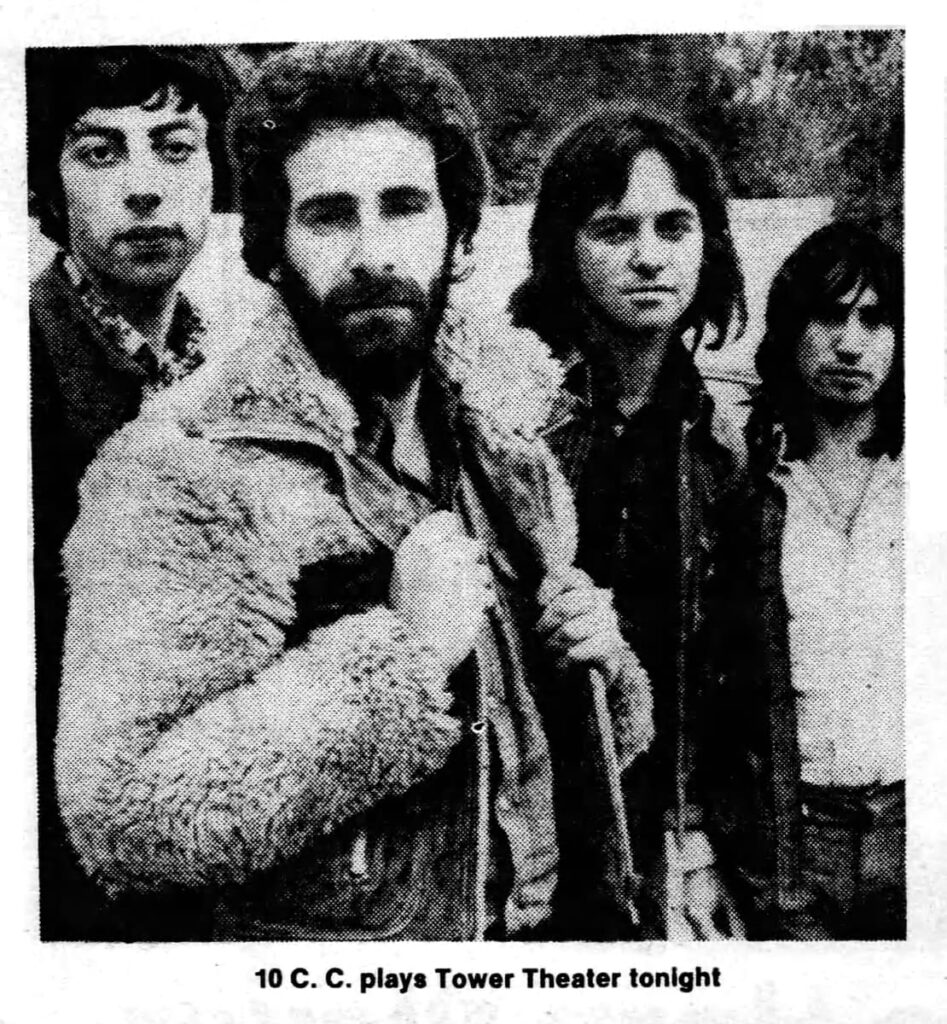
By 1977, the musical world was undergoing a revolution. Punk was exploding, disco was on the rise, and for the cerebral pop geniuses of 10cc, everything had changed. The band, once a cohesive and brilliant quartet, had just been cleaved in two by a dramatic and public split. Founding members Kevin Godley and Lol Creme had left to pursue their own creative visions, leaving a monumental challenge for the remaining duo of Graham Gouldman and Eric Stewart: to prove they could carry on the 10cc name alone. It was under this immense pressure that they released their fifth album, Deceptive Bends, a record that was a testament to their resilience and unwavering talent. From this album came a song that perfectly captured the band’s cheeky spirit and intellectual wit. That song was “Good Morning Judge.” It was an undeniable comeback hit, climbing to a respectable number 5 on the UK Singles Chart, while reaching a more modest number 69 on the Billboard Hot 100 in the US, a fact that hints at the cultural divide its unique sound inhabited.
The story behind “Good Morning Judge” is a theatrical masterpiece, an emotional drama that unfolds in a courtroom. The song, written by Gouldman and Stewart, is a playful yet cynical monologue from a man in the defendant’s box. The lyrics are a brilliant piece of wordplay, a clever and desperate plea of innocence, or perhaps a confession wrapped in a web of half-truths. The drama is in the courtroom setting—the stern, unyielding authority of the judge, the protagonist’s resigned plea, and the implied backstory of a night gone wrong. It’s a classic 10cc narrative, a perfect blend of high art and pop absurdity. The song’s existence itself is a testament to the remaining members’ determination; it’s a defiant statement that even without a full lineup, they could still deliver the kind of clever, compelling music that made them famous.
The musical structure of the song is a character in its own right, a powerful funk-rock groove that propels the narrative forward with a relentless, swaggering energy. The guitars are sharp and precise, the bass line is a driving force, and the drumming is a steady, rhythmic heartbeat. This powerful instrumental foundation allows Eric Stewart’s lead vocal to take center stage. His voice, with its theatrical flair and a perfect blend of innocence and cynicism, brings the courtroom scene to life. He sounds like a man who knows he is in trouble but can’t help but find the humor in his predicament. The musical flourishes—the a cappella breaks, the quirky sound effects, and the clever guitar work—are a subtle, but powerful, reminder of 10cc’s unique artistic genius, proving they had not lost a step even after the band’s dramatic split.
For those of us who remember this era, “Good Morning Judge” is more than just a song; it’s a nostalgic echo of a time when pop music could be both smart and fun. It’s a testament to the band’s resilience and creative spirit, a powerful and poignant document of their ability to thrive in the face of immense pressure. The song endures because its story is a timeless one—a plea for understanding in a world full of judgment. It stands as a timeless and deeply emotional piece of music, a perfect document of the drama that played out behind the scenes of one of the 1970s’ most unique and brilliant bands.